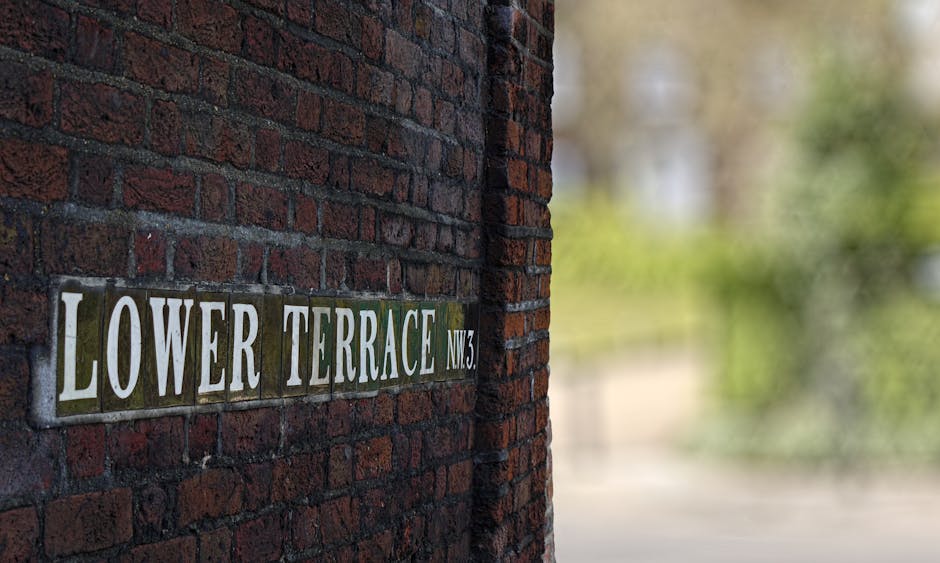
Local gardeners for Westow Hill terraces in Crystal Palace
Terrace gardens on Westow Hill have a certain charm about them. They can also be a bit of a balancing act. Narrow access, sloping ground, shaded corners, windy patches, neighbours close by, and not much room to store tools? Yes, all of that. If you are looking for Local gardeners for Westow Hill terraces in Crystal Palace, you probably want someone who understands the realities of working in compact London gardens, not just someone with a mower and a postcode.
This guide explains what local terrace gardening support usually involves, why it matters in this part of Crystal Palace, and how to choose the right help for ongoing maintenance or one-off work. It also covers practical steps, common mistakes, and the little details that make a real difference to the look and health of a terrace garden. Truth be told, these are the jobs that often get put off until the borders are overgrown or the lawn has turned patchy. Then it becomes a bigger job than it needed to be.
Whether you need regular upkeep, hedge shaping, a proper reset, or help planning a more usable outdoor space, you will find the essentials here. And if you want a broader look at available services, the services overview is a useful place to start.
Table of Contents
- Why Local gardeners for Westow Hill terraces in Crystal Palace Matters
- How Local gardeners for Westow Hill terraces in Crystal Palace Works
- Key Benefits and Practical Advantages
- Who This Is For and When It Makes Sense
- Step-by-Step Guidance
- Expert Tips for Better Results
- Common Mistakes to Avoid
- Tools, Resources and Recommendations
- Law, Compliance, Standards, or Best Practice
- Options, Methods, or Comparison Table
- Case Study or Real-World Example
- Practical Checklist
- Conclusion
- Frequently Asked Questions
Why Local gardeners for Westow Hill terraces in Crystal Palace Matters
Westow Hill terraces are not the same as a wide suburban plot with plenty of side access and a big shed at the bottom. The gardens here often need a more measured approach. A local gardener who works in Crystal Palace will usually understand the rhythms of the area: mature planting, boundary hedges, awkward paving, small lawns, and the need to keep things tidy without making the space feel overworked.
Why does that matter? Because terrace gardens are usually seen from indoors as much as they are used outside. A clean line of planting, a well-cut lawn, and a manageable hedge can change how the whole home feels. You notice it on a damp morning, with the light coming through the windows and the back garden looking calm instead of crowded. Small thing, maybe. But it makes a difference.
Local knowledge also helps with timing. In London gardens, shade patterns, wind exposure, and pressure from surrounding trees can change where moss appears, which shrubs struggle, and how often growth needs cutting back. A gardener who already understands that environment can make better decisions, faster. That tends to save time, money, and a bit of stress too.
There is another reason: terrace gardens often need consistency. Miss one season and the jobs stack up. Miss two, and suddenly the job is not a trim; it is a reset. Local gardeners for Westow Hill terraces in Crystal Palace can keep the place on track with regular maintenance, so the garden does not slide into that "I'll deal with it next month" zone. We have all been there.
How Local gardeners for Westow Hill terraces in Crystal Palace Works
In practical terms, the service usually begins with an assessment of the garden's current state and what you want it to become. For some homes, that means simple maintenance: mowing, edging, trimming, weeding, and clearing leaves. For others, it means shaping overgrown planting, reclaiming hidden paths, removing waste, or redesigning parts of the space so it feels easier to use.
A good local gardener will look at access first. Terrace steps, narrow gates, shared boundaries, and storage space all affect how the work is planned. Then they will consider the garden itself: soil condition, drainage, shade, mature growth, and the level of upkeep you realistically want. There is no point designing a garden that only looks good if you can spare three hours every weekend. That is not a design, it is a trap.
From there, the work may fall into one or more of these patterns:
- Routine maintenance - regular visits to keep beds, lawns, hedges, and paths under control.
- One-off clearance - useful when the garden has become cluttered, neglected, or simply out of hand.
- Targeted improvement work - hedge reshaping, lawn recovery, pruning, or structural tidying.
- Design-led changes - broader updates through landscape gardening or landscaping.
For many terrace homes, the best results come from a mix of maintenance and small improvements. A little pruning here, a bit of edging there, maybe a change to the planting structure. It does not always take a full redesign. Sometimes it just takes the right hands and a sensible plan.
Key Benefits and Practical Advantages
The obvious benefit is a tidier garden. Fair enough. But the real value goes deeper than appearances.
- Better use of space - compact gardens feel larger when clutter is removed and paths are clear.
- Healthier planting - shrubs, borders, and climbers respond better when dead growth and congestion are managed.
- Lower long-term effort - regular care reduces the need for heavy reset work later.
- Safer access - overgrown steps, slippery paths, and awkward branches can become hazards.
- Improved privacy and screening - well-kept hedges and boundaries can soften the feel of close terrace living.
- Better kerb appeal - not just for sales, but for everyday pride when you come home.
There is also a small but real psychological benefit. A neat outside space can make the whole property feel calmer. On a rainy Crystal Palace afternoon, when the sky is low and the pavement is slick, a tidy garden can feel like a proper breathing space. Not dramatic. Just nicer to live with.
If you are comparing support options, it can help to see the difference between routine care and larger intervention work. The table below gives a simple, practical comparison.
| Service type | Best for | Typical outcome | Good to know |
|---|---|---|---|
| Routine garden maintenance | Gardens that are already manageable | Consistent tidiness and healthier growth | Often the most cost-effective over time |
| Hedge trimming and edging | Terraces with visible boundaries and formal lines | Sharper structure and better light flow | Regular cuts usually look better than heavy reshaping later |
| Lawn mowing | Small lawns or front and rear grass areas | Cleaner finish and stronger lawn presentation | Best done on a sensible schedule, not after it becomes a jungle |
| Garden clearance | Overgrown, cluttered, or inherited gardens | A clean slate for maintenance or redesign | Useful before any bigger improvement work |
| Tree and large shrub work | Gardens with blocked light or unsafe overgrowth | More light, safer access, clearer shape | Needs careful handling and good judgement |
Who This Is For and When It Makes Sense
This kind of local gardening support makes sense for a few different kinds of household.
Homeowners who want the garden to stay manageable. If you like your garden but do not want to spend every spare hour tending it, regular help can keep things pleasant without turning weekends into labour.
Landlords and property managers. Terrace gardens can slip into a poor state surprisingly quickly between tenancies. A tidy garden helps present the property properly and reduces complaints from neighbours. It is one of those things that is easy to overlook until it becomes awkward.
Busy families. If the garden has become a dumping ground for bikes, toys, and pots that somehow breed in the corner, a cleanup and maintenance plan can restore order. It sounds simple, but you will feel the difference straight away.
Older residents or people with limited time or mobility. Stepped access and uneven ground can make maintenance harder than it looks. For some people, outsourcing the heavy work is not a luxury. It is the sensible option.
Anyone preparing for a sale or letting. A terrace garden does not need to be elaborate to add value. It just needs to look cared for, accessible, and in proportion to the home.
It also makes sense if your garden has specific challenges, like dense hedges, poor drainage, patchy turf, or awkward corners where everything seems to collect. In those situations, a local gardener is not just "help with the garden". They are problem-solving with soil under their boots.
Step-by-Step Guidance
If you are planning to book local gardeners for a Westow Hill terrace, here is a sensible way to approach it.
- Walk the garden first. Notice what feels urgent. Is it the lawn, the hedges, the weeds, the leaves, or the overall clutter?
- Decide what outcome you want. Tidier, lower-maintenance, better privacy, more light, or a fresh start. Be specific if you can.
- List access issues. Narrow side return? Steep steps? No outdoor tap? Shared entry? Mention it early.
- Separate quick wins from bigger work. Some tasks can be done in one visit. Others need a longer plan.
- Ask about the recommended order. Often clearance comes before pruning, and pruning before replanting. The sequence matters more than people think.
- Discuss waste handling. Ask how green waste will be removed and whether recycling or composting is part of the process. The company's recycling and sustainability approach may be useful here.
- Agree on timing. Regular maintenance works best when visits are spaced sensibly through the year, not crammed together because the garden has been ignored for six months.
- Review the finished work. Check edges, paths, hedge lines, and any sensitive planting. A five-minute walkaround at the end is worth doing.
That final walkaround is not about being picky. It is about making sure the job suits the way you actually use the space. A garden can be technically neat and still feel wrong if a path is blocked or a plant has been cut back too hard.
Expert Tips for Better Results
These are the kinds of things that tend to separate a decent job from a really good one.
1. Keep the first visit realistic. If the garden is badly overgrown, do not expect every issue to be solved in one pass. A staged approach is often better. One big clean-up, then maintenance.
2. Cut for shape, not just size. With hedges and shrubs, the final outline matters. A slightly smaller plant that still looks balanced usually works better than a harsh cut that leaves gaps. The hedge trimming service is especially useful where form and privacy both matter.
3. Do not let the lawn get too stressed. Terrace lawns can suffer from shade, compaction, and irregular watering. Regular lawn mowing helps, but so does avoiding scalping the grass too short. A little longer is often kinder, especially in drier spells.
4. Treat clearance as a reset, not a finish. If you only clear the garden once and leave it, the mess will come back. Fast. Better to pair clearance with a maintenance plan.
5. Think about light and airflow. In tight terrace gardens, light is precious. Opening up one corner, thinning a shrub, or tidying a climber can improve the whole mood of the space.
6. Ask for practical advice, not just labour. A good gardener should be able to tell you what will be easy to maintain and what will quietly become a headache. That advice is worth its weight in gold, honestly.
If you want a broader service mix, you may also want to compare garden maintenance with more transformative work such as landscape gardening. One keeps things steady; the other changes the layout or feel of the space. Both have their place.
Common Mistakes to Avoid
Some garden problems in terrace settings are created by good intentions and poor timing. It happens.
- Leaving work until the garden is "really bad". By then, the job usually takes longer and costs more.
- Over-pruning shrubs and hedges. Once shape is lost, it can take a while to recover.
- Ignoring drainage. A garden that stays soggy after rain will need more than a cosmetic tidy-up.
- Choosing a style that is too high-maintenance. Beautiful but fussy planting can become a burden in a small terrace garden.
- Skipping waste removal planning. A tidy cut with nowhere for the waste to go is only half a job.
- Trying to do structural work without experience. Heavy reduction or removal can affect plant health, safety, and the look of the garden.
A very common one is overfilling the space. A terrace garden does not need a little bit of everything. It needs breathing room. Less, sometimes, is more. A bit annoying to hear when you love plants, but true all the same.
Tools, Resources and Recommendations
Local gardeners typically bring the right tools for the job, but it helps to understand what is commonly used and why. This makes it easier to discuss the work and judge whether the plan is sensible.
- Hand tools for detailed pruning, deadheading, edging, and fine shaping.
- Powered cutters and trimmers for larger hedges and thicker growth.
- Mowers and edging tools for lawn care and clean boundary lines.
- Wheelbarrows, sacks, and clear-up gear for waste movement in tight access spaces.
- Protective equipment for safe handling of thorny, heavy, or awkward material.
For homeowners, the most useful "resource" is often a good habit rather than a gadget. Keep an eye on what changes from month to month. If one shrub starts swallowing the path or the moss starts creeping across shaded paving, deal with it early. That little bit of attention stops small jobs becoming Saturday-eating jobs.
If you are comparing providers or deciding what level of help you need, pages such as pricing and quotes and services overview can help you understand the structure of services available. You can also read more about the team on the about us page if you want a feel for the business behind the work.
Law, Compliance, Standards, or Best Practice
For garden work in London, the main focus is usually safety, sensible waste handling, and good professional practice rather than complicated regulation. That said, there are a few common standards worth expecting.
Safety first. Any work involving ladders, powered tools, heavy lifting, or branches near fences and structures should be handled carefully. If a gardener is cutting high hedges or removing larger growth, they should take a methodical approach and use appropriate protective gear.
Waste should be managed responsibly. Green waste is usually removed, sorted, and handled in a way that avoids unnecessary dumping. If sustainability matters to you, ask how the team approaches it. The company's health and safety policy and insurance and safety pages are sensible places to review trust and process details.
Insurance matters. Any contractor working on a residential terrace should have suitable cover in place. That is not overcautious. It is basic common sense.
Respect for neighbours matters too. Crystal Palace terraces are close-knit. Noise, access, and waste movement should be handled considerately. A good gardener understands that the work is happening in somebody's home, not on an empty site.
Terms and expectations should be clear. You should know what is included, what is extra, and how payment works before the work begins. If you want to check those points, the terms and conditions and payment and security pages are useful reference points.
Options, Methods, or Comparison Table
There is more than one way to care for a terrace garden. The right choice depends on how much time you have, how much the space has drifted, and whether you want simple upkeep or a bigger change.
| Approach | Best if you want | Pros | Trade-offs |
|---|---|---|---|
| Ongoing maintenance visits | A garden that stays under control all year | Predictable, tidy, easier to budget for | Needs regular scheduling |
| One-off garden clearance | A fresh start after neglect or disruption | Fast visual improvement, clears decision-making | Does not stop regrowth on its own |
| Selective improvement work | Better shape without full redesign | Focused results, less disruption | May not solve deeper layout issues |
| Full landscaping | A new layout, better flow, or more usable space | Big impact, long-term value | More planning and typically more disruption |
For most Westow Hill terrace gardens, the sweet spot is usually somewhere between maintenance and selective improvement. A full rebuild is not always needed. Sometimes a sharper boundary line, tidier planting, and smarter planting choices give you most of the benefit without turning the garden into a building site.
When a terrace garden has become hard to live with, a garden clearance can provide the reset needed before the more interesting work begins. And if the space needs a structural refresh, decking services may also be worth considering where a defined seating area would make the garden more usable.
Case Study or Real-World Example
Picture a typical terrace garden just off Westow Hill. Not huge. A long, narrow space with a tired lawn, a hedge that has grown wider than intended, a few pots with strong opinions about where they want to live, and a back corner that has become the unofficial storage spot for everything from broken canes to an old bucket.
The first visit starts with clearing the obvious clutter and cutting back the hedge enough to bring light back into the garden. The lawn is edged properly so it stops blending into the border. A few self-seeded plants are removed. The path is cleaned and made visible again. Nothing extravagant. Just sensible work.
After that, the garden is easier to read. You can see where the sun lands in the afternoon. You can see which plants are thriving and which are only hanging on. The owner can finally sit outside with a cup of tea without staring at a tangle of growth and thinking, "I really should sort that out." That feeling matters more than people admit.
Over the following months, the work shifts into maintenance. Hedges are kept in shape, the lawn is managed before it gets shaggy, and the planting is nudged rather than hacked. The result is not just a tidier garden. It is a garden that feels part of the house again.
Practical Checklist
Use this checklist before booking local gardeners for your terrace garden in Crystal Palace.
- Walk through the garden and note the main problem areas.
- Decide whether you need maintenance, clearance, or a redesign.
- Check access points, steps, narrow paths, and storage space.
- Make a list of plants or features you want to keep.
- Think about privacy, light, and how you use the space day to day.
- Ask how waste will be removed and handled.
- Confirm insurance, safety practices, and clear pricing.
- Agree what success looks like before work begins.
- Plan follow-up visits if the garden needs ongoing care.
- Review the finished work while everything is still fresh.
Quick takeaway: the best terrace garden results usually come from a practical mix of tidying, trimming, and regular upkeep rather than one-off heroics. That approach keeps the garden useful, calm, and easier to enjoy through the seasons.
Conclusion
Local gardeners for Westow Hill terraces in Crystal Palace bring more than simple labour. They bring an understanding of tight spaces, changing light, neighbourly boundaries, and the small design choices that make terrace gardens feel better to live with. If your garden has drifted from "manageable" into "slightly intimidating", the right local help can make it feel like yours again.
The most valuable thing is not perfection. It is a garden that works for your life, your time, and the way you use the space. Sometimes that means a full tidy-up. Sometimes it means steady maintenance and a few intelligent changes. Either way, you do not need to keep putting it off.
Get a free quote today and see how much you can save.
A well-kept garden has a quiet kind of lift to it. You notice it at the end of the day, when the light softens and the space finally feels settled. That is a good feeling to come home to.
Frequently Asked Questions
What do local gardeners for Westow Hill terraces in Crystal Palace usually do?
They typically handle mowing, hedge trimming, pruning, weeding, border care, garden clearance, and general tidy-ups. For terrace gardens, they also deal with awkward access and compact layouts that need a careful approach.
How often should a terrace garden be maintained?
That depends on the garden's size, planting, and how much growth it gets. Many terrace gardens benefit from regular visits during the growing season, with less frequent attention in quieter months.
Is a one-off garden clearance enough?
It can be, if the garden mainly needs a reset. But if you want the space to stay tidy, a clearance followed by ongoing maintenance usually works much better.
Do terrace gardens in Crystal Palace need special care?
Often, yes. Shade, wind, narrow access, and close boundaries can all affect how plants grow and how the space is used. A local gardener will usually understand those conditions better than someone working in a more open garden style.
What should I ask before booking a gardener?
Ask what is included, how waste is removed, whether insurance is in place, how the work will be scheduled, and what the likely outcome will be. Clear expectations save a lot of confusion later.
Can local gardeners help make a small terrace garden look bigger?
Yes. Cutting back overgrowth, improving structure, simplifying planting, and opening up sightlines can make a compact garden feel more spacious. Sometimes the trick is removing, not adding.
Is hedge trimming important for terrace gardens?
Very often. Hedges can create privacy, shape the garden, and stop the space from feeling boxed in. But if they are not maintained, they can quickly dominate a narrow garden.
What if my garden has been neglected for a long time?
That is common enough. A sensible first step is usually a clearance or heavy tidy-up, followed by a maintenance plan. Trying to fix everything in one go can be a bit much.
Are there safety or insurance checks I should look for?
Yes. It is reasonable to expect suitable insurance, sensible safety practices, and careful handling of tools, ladders, and waste. That is especially important in tight terrace settings.
How do I know whether I need landscaping or just maintenance?
If the layout is fine and the garden just needs tidying, maintenance may be enough. If the space does not function well, feels awkward, or needs a structural refresh, then landscaping may be the better choice.
Can gardeners help with lawn recovery in shaded terrace gardens?
They can help improve the condition of the lawn, but shaded lawns are naturally more challenging. The most realistic approach is usually sensible cutting, better airflow, and choosing maintenance methods that suit the site.
Where can I find more information about services and standards?
You can explore the company's services overview, about us, health and safety policy, and terms and conditions pages for more context before getting in touch.